Common Allergies
Common Allergies There are hundreds of allergens that can trigger allergic reactions, including the most common: plant foods, medicine, pollen, household dust, animal dander, mold, and insect stings. Generally, the…



Why Heartworm Prevention Matters More Than You Think
Moreover, ongoing studies are examining the efficacy of ivermectin in treating other parasitic infections beyond river blindness, including scabies and strongyloidiasis. This is especially important for Ivermectin, which is being used more widely to treat a variety of illnesses and diseases. As research on Ivermectin continues, understanding its precise mechanisms of action holds promise for future developments in the fight against parasitic infections. Ivermectin doesn't readily cross the blood-brain barrier in mammals, sparing the host's nervous system from the effects it has on parasites. A meta-analysis of multiple studies concluded that ivermectin is associated with significantly reduced mortality, time to recovery, and viral clearance in COVID-19 patients. Clinical trials have been instrumental in understanding the nuances of Ivermectin's efficacy against Covid-19, with numerous studies delivering mixed results. Various peer-reviewed studies yielded mixed results, with some showing little to no benefit and others claiming improved outcomes for patients with COVID-19.
Mechanism of Action 💊
We will also analyze the controversy over Ivermectin, questioning whether it is purely based on a political agenda or a genuine medical concern. In humans, it also has anti-inflammatory properties and can block certain viral proteins. However, ivermectin's use and effectiveness against COVID-19 have been points of controversy and debate. Ivermectin is available in various forms, including oral tablets, injectable solutions, and topical formulations. However, in order to achieve its maximum therapeutic benefit, proper dosing is crucial. In this article, we will delve into the science behind how ivermectin works against COVID-19, and compare its effectiveness with the current gold standard of COVID-19 treatment, remdesivir. It is typically characterized by intense itching and a rash with raised, red bumps.
Success Stories: Ivermectin's Role in Eliminating River Blindness
This prestigious honor underscored the significance of their contribution, highlighting ivermectin as one of the foremost weapons against parasitic diseases, and acknowledging its potential to relieve the burden of parasitic infections across the globe. Some countries have approved ivermectin for COVID-19 treatment, but more research is needed to determine its effectiveness and safety for this purpose. Thorough examination of these factors is essential to interpret the data correctly and to distinguish between statistically significant outcomes and those influenced by external variables. It offers an alternative to chemical pesticides, which can have harmful effects on crops, humans, and the environment.As farming practices continue to face the challenges posed by pests and parasites, the potential for Ivermectin to revolutionize agriculture by providing safe and effective pest control solutions is a promising avenue of research. In particular, it has shown efficacy in reducing inflammation associated with diseases such as rosacea and other dermatological conditions. Despite its promise, the specter of resistance looms, necessitating a proactive approach in the discovery of derivatives or new compounds with similar or improved pharmacological profiles. However, Ivermectin poses a unique challenge to this paradigm due to its broad-spectrum activity against various parasites and potential therapeutic effects beyond its originally intended use.
Scientific Studies: Conflicting Results and Interpretations
However, some experts argue that given the current situation, it is important to explore any potential solutions that could help treat and prevent the spread of the virus. Overall, Ivermectin's versatility and potential applications challenge the traditional disease-focused approach to global health. Scabies creams can cause skin irritation and itching, and in some cases, allergic reactions. Moreover, we will examine its side effects and its role in treating COVID-19 through a critical analysis of the current evidence. Ultimately, the decision to use Ivermectin as a treatment for COVID-19 will require further research and a careful consideration of the potential risks and benefits. Moreover, the potential applications of Ivermectin beyond parasitic infections are being explored, including its potential role in treating certain viral infections and even cancer. The controversy surrounding the drug has led to a debate among medical professionals about whether or not it should be used to treat COVID-19.
Ivermectin: The Good, the Bad, and the Unresolved Questions
Overall, the regulatory roadblocks surrounding Ivermectin as a potential Covid-19 treatment relate to the need for well-designed clinical trials and conclusive evidence. The controversy surrounding the effectiveness of ivermectin in treating COVID-19 has been a topic of debate among medical professionals since the onset of the pandemic. Some people claim that it is a miracle drug that can prevent and treat COVID-19, while others believe that it is nothing more than a worthless placebo. Since then, it has been used to treat a range of other parasitic diseases, including strongyloidiasis and scabies. Another clinical trial conducted in Egypt found that ivermectin reduced the duration of symptoms, improved the patient's recovery, and decreased the mortality rate. These milestones represent a beacon of progress, signaling a decline in disease prevalence and a significant leap forward in achieving global health objectives. To address this, farmers and industry stakeholders increasingly turn toward integrated pest management (IPM) strategies.
Ivermectin and Malaria: a Promising Tool in the Fight Against a Deadly Disease
Social media platforms buzzed with debates, while news outlets chronicled its touted benefits and unverified claims. Patients should have the freedom to make informed decisions about their own health, including the right to choose Ivermectin as a treatment option. While Ivermectin appears to be a wonder drug for preventing heartworms, it's not without its potential side effects. Critics of the use of ivermectin point to the lack of large-scale clinical trials and peer-reviewed studies that provide conclusive evidence of its effectiveness. These endorsements often came on the heels of preliminary studies and were seen as a beacon of hope for under-resourced healthcare systems. Proponents of ivermectin, on the other hand, argue that there is enough evidence to support its use in certain conditions, such as river blindness and other neglected tropical diseases. One such application is its potential as an anti-inflammatory agent.
The Future of Ivermectin: Innovative Uses and Research Directions
It is crucial to weigh the dog accurately before administering the medication to ensure the correct dose is given. By looking at the benefits and drawbacks of each treatment option, we hope to provide insights into why ivermectin remains a top choice among veterinarians and pet owners alike. Through its ability to kill the immature form of the parasite, ivermectin has significantly reduced the transmission and progression of the disease, bringing hope to many affected communities. Additionally, the article highlights what you need to know about Ivermectin's side effects. In this article, we will delve into the intricacies of Ivermectin and explore its potential as a viable alternative to COVID-19 vaccinations. The drug has shown promise in several clinical trials, with some demonstrating a significant reduction in mortality rates when administered early in the Covid-19 disease. From cats and dogs to livestock like cattle and sheep, this versatile medication is employed to combat a range of internal and external parasites, including mites, lice, and gastrointestinal worms.
The Latest Research on Ivermectin and Its Efficacy Against COVID-19
Several clinical trials have been conducted or are currently underway to evaluate the efficacy of ivermectin in treating COVID-19. However, Ivermectin has shown promise in overcoming this challenge. However, the drug has not yet been approved for this use, and there is significant debate among medical professionals about its potential benefits and risks. However, some physicians have advocated for off-label use of the drug, citing the urgency of the pandemic and the lack of effective treatments. These studies paved the way for clinical trials and fueled the growing excitement surrounding ivermectin as a potential game-changer in the fight against the ongoing pandemic. The effectiveness of Ivermectin can be attributed to its mode of action. With patient safety as the cornerstone of these trials, there was an intense focus on adverse effects, proper dosing, and the drug's interaction with other COVID-19 treatments.
Understanding Ivermectin Administration Methods
To fully understand the benefits and potential drawbacks of ivermectin in veterinary medicine, it is important to grasp the mechanism of action of this drug. The regulatory landscape surrounding ivermectin's approval status worldwide is a complex and ever-evolving terrain. The landscape of COVID-19 treatments is also seeing an increased emphasis on personalized medicine, considering individual patient factors when administering therapies. However, it is important to note that administering Ivermectin without veterinary guidance can be dangerous, as incorrect dosage or misuse can lead to severe side effects. Concurrently, advancements in drug formulation aim to enhance its efficacy and bioavailability, particularly in low-resource settings. This powerful dewormer is administered orally or by injection and is quickly absorbed into the animal's bloodstream, allowing it to rapidly eliminate parasites from the body. While some studies suggest that the drug may be effective in reducing the severity of symptoms and even preventing death in COVID-19 patients, others have raised concerns about the validity of these findings and the potential risks associated with its use.
A Promising Future: Exploring Ongoing Research and Potential Applications
So, how does Ivermectin actually work to fight COVID-19? In this article, we will explore the science behind Ivermectin and its potential as a safer alternative to traditional COVID-19 treatments. Media debates and differing study outcomes put these organizations in a tough spot, but they remain steadfast, advising public caution until more conclusive findings emerge. There is a delicate balance between harnessing the full potential of ivermectin and ensuring that it does not become a source of unwarranted treatment protocols without proper scientific backing, a lesson that has come to the fore amidst the urgency of a global pandemic response. Early enthusiasm about ivermectin stemmed from initial laboratory studies that demonstrated its potential antiviral properties. Additionally, a meta-analysis of multiple studies concluded that ivermectin may be associated with a significant reduction in the risk of contracting Covid-19, along with improved outcomes for those who are infected. Numerous studies have revealed the anti-inflammatory properties of this drug, suggesting its potential in the treatment of various inflammatory disorders. Ivermectin, a drug initially developed for parasitic infections in animals, has demonstrated a multifaceted mechanism of action that intersects with viral replication in host cells.

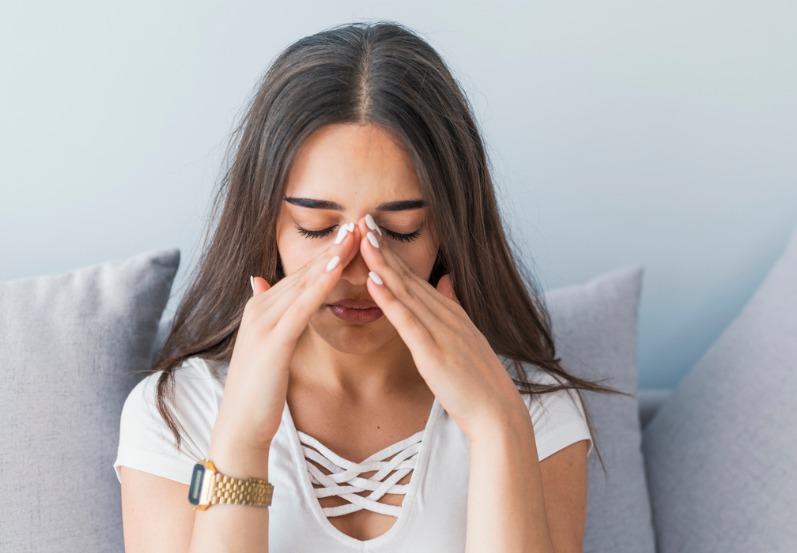
As we welcome cooler weather, we say goodbye to outdoor allergens and hello to the stubborn indoor allergy season. For pollen sufferers, winter brings a fresh breath of relief! The trees have revealed their bare…

The quality of the air we breathe affects our lungs, especially in those who have asthma. Many research studies have outlined the negative effect of air pollution on asthma symptoms. Now more than ever, it…




1535 2nd Ave
Ground Floor
New York, NY 10075
Map & Directions
Phone: (212) 517-3300
Fax: (212) 517-3303
info@allergyexperts.com
